from "this is just soft skills" to "where do I sign up?"
How to Teach Nervous System Regulation so that Even Skeptics Use It - Without it Getting Dismissed as "Soft Skills"
Steal the Science That Took Me From "Is This Just Feelings Work?"
to Attracting Rooms Full of People Who Think Nervous System Regulation Isn't for Them.
No Oversimplifying.
No Losing the Skeptics.
Nervous system regulation doesn't mean being calm and collected all the time.
It's about range and repertoire, and an ability to intentionally shift into a state we prefer.
Nervous system regulation is one of the most important skills we can learn in this lifetime. It has the capacity to make us better humans.
Today- this year- it is more important than ever before to get better at regulating our emotions and nervous systems.
Our human brain gives us the ability to learn how to do it better, even if we did not have models of this growing up.
However... human children are NOT BORN WITH the capacity to self-regulate. They must have attuned, responsive environments that nurture the child's brain development.
This means that it can be hard for MOST PEOPLE ON THE PLANET to handle their emotions and behaviors in ADAPTIVE ways.
So... whether we are dealing with young people, or adults...
there's a chance some of them did not have what they needed growing up in order to develop emotion regulation skills to their highest potential.
This is why we need self-regulation leaders and models.
BUT… if you ask people to engage with anything that sounds like ‘soft skills’… you’ll forever have lower-than-hoped-for engagement and lack of buy-in until you tap into Human Nervous System Logic.
If you'd like to become better at regulating your emotions and understanding how to help others regulate theirs, this is the course help you make that happen.
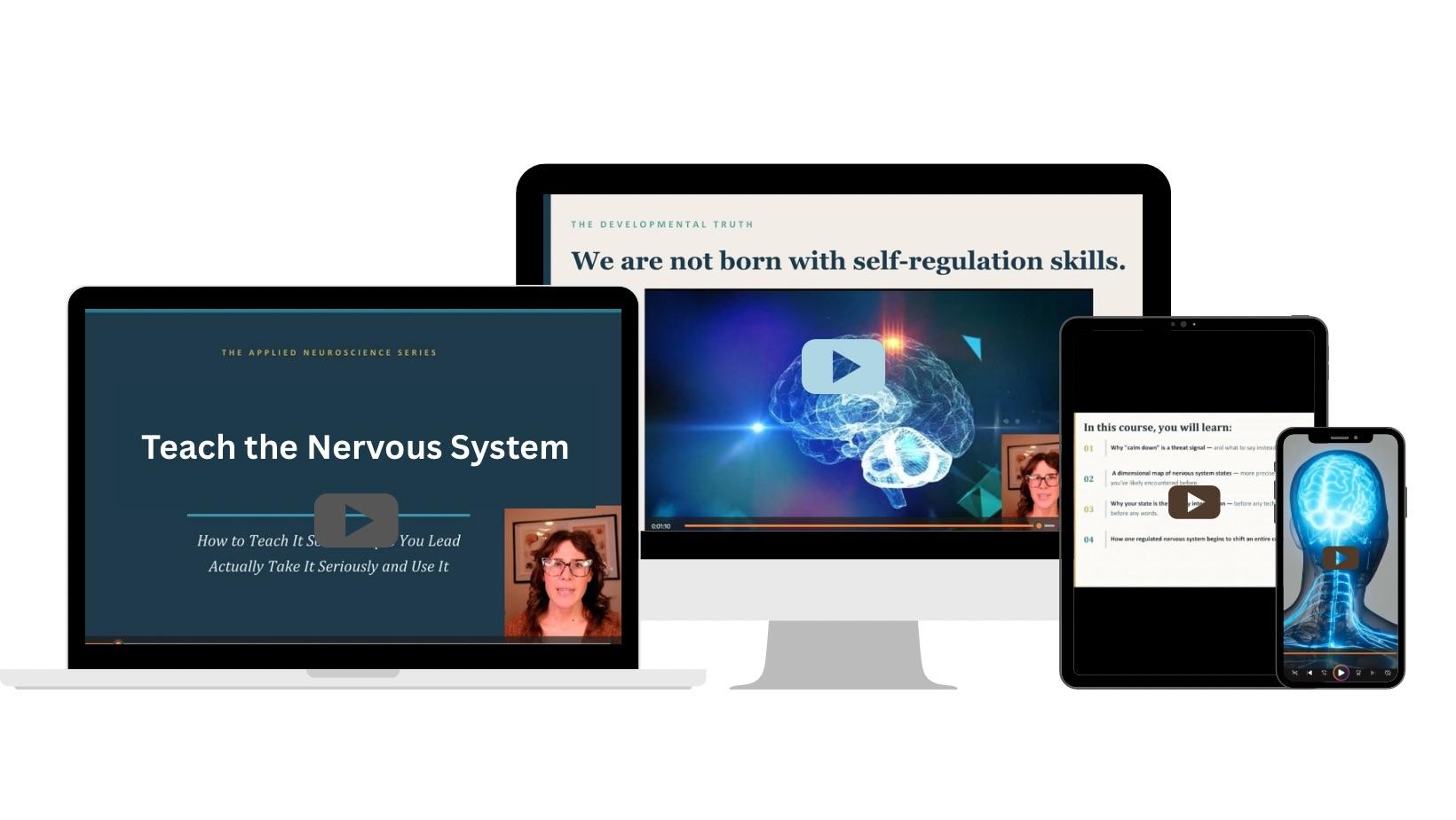
Learn how to inspire and teach emotion regulation skills using a 9-step neuroscience framework.
You may not call what you teach “emotion regulation.”
You might teach mindfulness, resilience, creativity, leadership, nervous system work, or wellness.
But underneath all of those approaches is the same core mechanism:
how the nervous system regulates emotional states.
And when that science is explained clearly, even skeptical audiences start paying attention.
I've used this framework to bring nervous system regulation science into MIT, Google, Stanford, the FBI, and the UCSD School of Medicine — rooms that do not accept vague, soft, or unsubstantiated concepts
I've used this framework to go from being asked "is this just feelings work?" to being the person those same skeptics invite back.

But the real shift happened when I learned how to communicate nervous system regulation in a way that activates the brain to cue self-regulation skills as valuable and worthy of attending to and integrating as a learnable skill .
"I wanted to say thank you! I was listening to Teach the Nervous System this morning and this message came through loud and clear. Like the Universe speaking directly to me through you.
Something fundamental and profound settled into my nervous system
- the idea that frequency is real, not from the esoteric place but from science, from nervous system reality.
Something I’ve felt for years but could never really explain found its way into my mind.
So thank you! I’m so glad I purchased this program. "
Amber Dancy, Transformational Leadership Coach & Calibration Guide
WHAT YOU’LL LEARN
Inside this training, you’ll learn how to:
✅ My irresistible science-messaging formula that makes nervous system regulation fascinating and non-negotiable — even with the person in the room who came in ready to dismiss it as feelings work.
✅ The #1 reframe that instantly earns trust in any room: why "calm down" can be a threat signal — and what to say instead that works with the biology rather than against it.
✅ The co-regulation science my clients use to walk into boardrooms, clinical settings, leadership teams — and shift the field before they've explained a single concept, or asked anyone to take a breath.
✅ Shift how people perceive your work without changing what you actually do
✅ A two-dimensional nervous system map that replaces oversimplified "calm vs. activated" frameworks— so you can read any room in real time and know what it needs before you say a word.
Liz went from over-explaining to confident authority
Liz knew her work was helping her clients move in new ways and feel better. She didn't need a new modality. She just needed the neuroscience language that made her existing work impossible to dismiss.
She went from over-explaining and over-softening her approach to walking into leading her programs with the kind of authority that made her clients say: "I don't know how we've been trying to improve without this."
WHAT YOU GET:
HERE'S HOW 'TEACH THE NERVOUS SYSTEM' WILL HELP YOU GET CLEAR:
THE BUNDLE INCLUDES:

🎓9 Bite-Sized Video Modules — 5 to 15 minutes each. A concise, high-impact training that shows you exactly how to align your work with how the nervous system engages, prioritizes, and acts. ($247 value)

🗺️ The Nervous System Map The framework that makes you the most precise, credible person in any room talking about regulation. Includes the language to use it live, in real time, with any audience. ($97 value)

🛡️ The Resistant Regulator Deep-Dive The neuroscience of why the people you’re trying to help shut down — and the three exact conditions that open them back up without triggering more resistance. ($117 value)

⚡ The 90-Second Micro-Practice Toolkit Three practices you can use in any context, without the interaction ever becoming "about" regulation. Grounded in the same neuroscience as everything else in the course. ($47 value)

📖 Teach the Nervous System Integration Guide The exact process for taking what you learn in this course and weaving it into your existing work — so the science doesn't live in a folder somewhere but actually changes how you show up. ($47 value)
REGULAR PRICE: $555
TODAY's price: $44
* Limited time offer at this price!
How Using Neuroscience to Teach Personal Growth Concepts Has Shaped Everything I Do:
🙂In my first decade doing this work, I had the science but not yet the language. I knew the research was solid. I knew it was transformative. I kept getting invited into extraordinary rooms — and I kept watching people nod and walk away unchanged.
🧠Not because they didn't care. Because I hadn't yet found the entry point that made the biology feel personal, urgent, and undeniable to them.
‼️The shift came when I stopped leading with frameworks and started leading with the nervous system's actual logic. When I stopped trying to convince skeptics and started understanding the neuroscience of why they resist — and meeting them there.
☎️That's when MIT called. Then Google. Then Stanford. Then the FBI.
🔎And more importantly — that's when the coaches, therapists, and leaders I work with stopped having to fight for credibility and started being sought out for it.
🧬If your audience can't feel the biology in what you're saying, they'll file it under "interesting but optional." I've made it my mission to make that impossible.
What I've learned from nearly two decades of bringing neuroscience into rooms that push back on learning "soft skills"
People don’t dismiss personal growth because they don’t need it.
They dismiss it because:
their nervous system doesn’t recognize it as something that will help them.
That's what this course is designed to fix.
Your work has the potential to attract and engage oceans of hearts and minds that need what you offer. Let's make sure the science is framed so that you get to make that happen.
THIS IS FOR:
✨ You're a coach, therapist, leader, educator, or organizational professional who knows nervous system regulation is foundational to everything — and keeps running into people who either dismiss it as "feelings work" or intellectually agree but never actually change.
😑You've used tools like "name it to tame it" and gotten mixed results — because nobody taught you the neuroscience behind when it works and when it quietly backfires.
⛔ You've felt the frustration of a room that won't engage, a client who intellectualizes every invitation, or a stakeholder who nods politely and then does the same thing they've always done.
🧬 You want the scientific credibility to bring this work into high-stakes rooms without it being written off before you finish your sentence.
🔬 You suspect that how you show up matters more than any technique you use — and you want to understand that in biological terms so you can work with it intentionally.
THERE'S A SOLUTION.
And it's yours for $44. Let's go...
My work isn't clinical or science-based — will this still help me?
Yes — the framework in this course is specifically designed to give coaches, leaders, and helping professionals the scientific credibility to bring this work into any room without it being dismissed. You don't need a neuroscience background. You need the right language. That's what this teaches.
What this bundle is:
✅ A neuroscience framework that has been tested in the rooms that push back — translated into language you can use immediately in your own practice, leadership, or facilitation work.
✅ The exact science behind why your current approaches might be landing flat — and the precise shifts that change that without requiring you to rebuild everything from scratch.
✅A genuine upgrade to how you understand and communicate one of the most foundational topics in coaching, leadership, and helping work
What it's not:
❌ A certification program or a credential: This course teaches you how to SEE — how to read nervous system states, understand the biology, and communicate it credibly. What you do with that is yours.
❌ Another simplified overview you've already seen: This goes deeper, more precisely, and with more scientific rigor than the mainstream frameworks your audience has already learned to dismiss.
❌ Something that requires you to start over: This is designed to integrate with the work you're already doing and make it more powerful, not replace it.
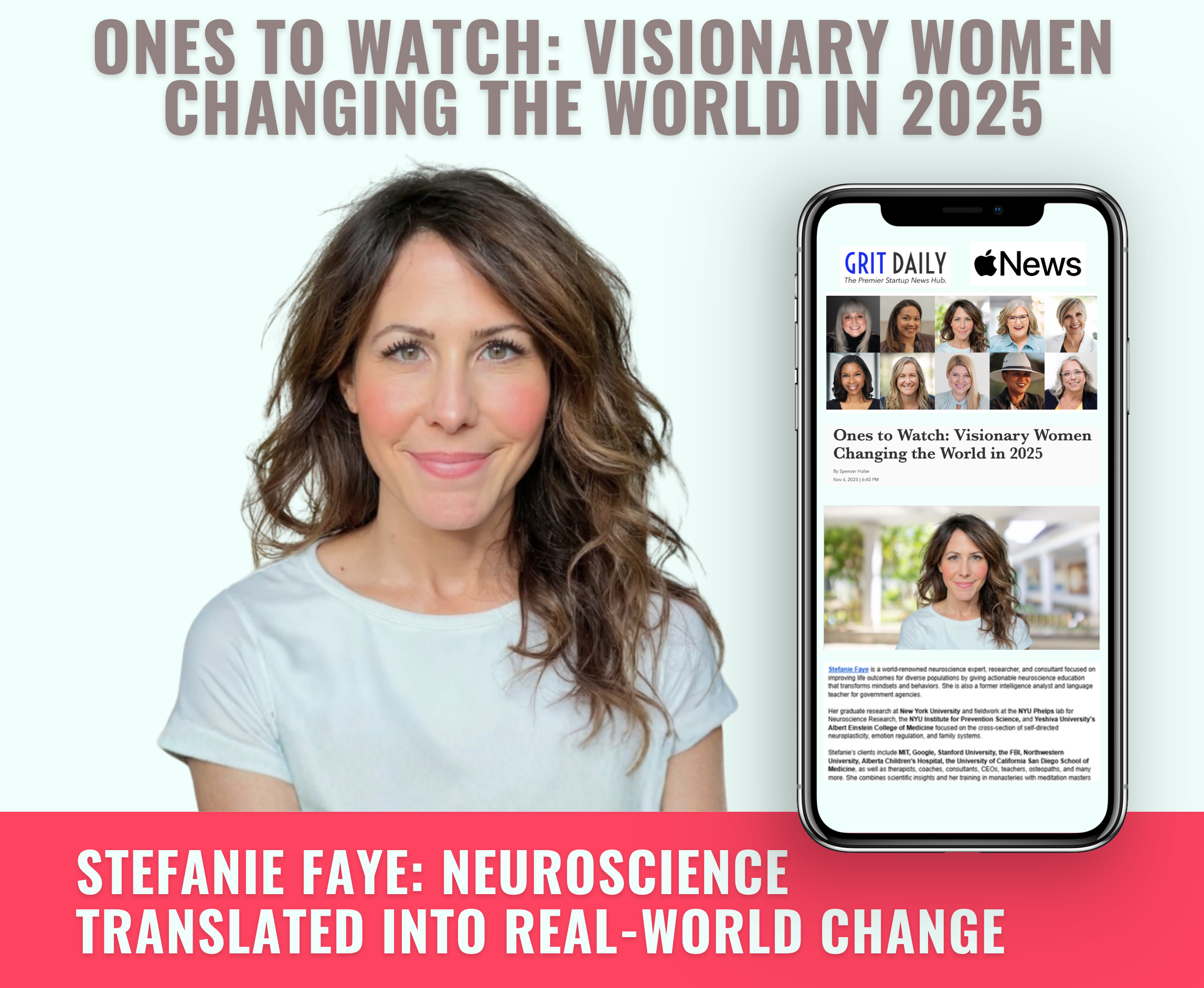
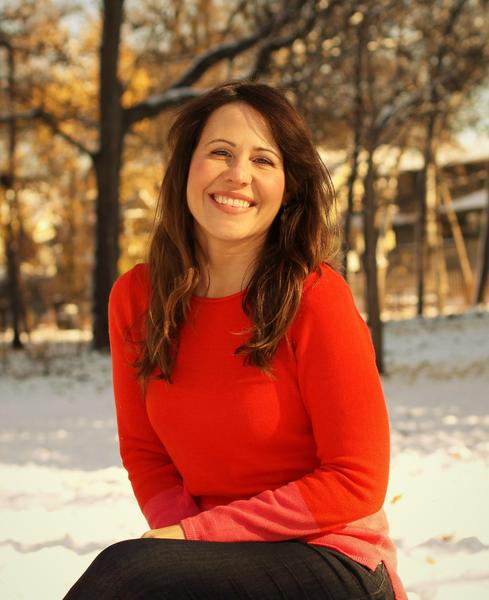
Hello! I'm Stef.
Nearly Two Decades of Translating Brain Science.
On a mission to make sure the people doing the most important work don't get dismissed.
And I'm just going to say it...
I hate to see skilled, brilliant coaches, therapists, and leaders struggle to get their work taken seriously.
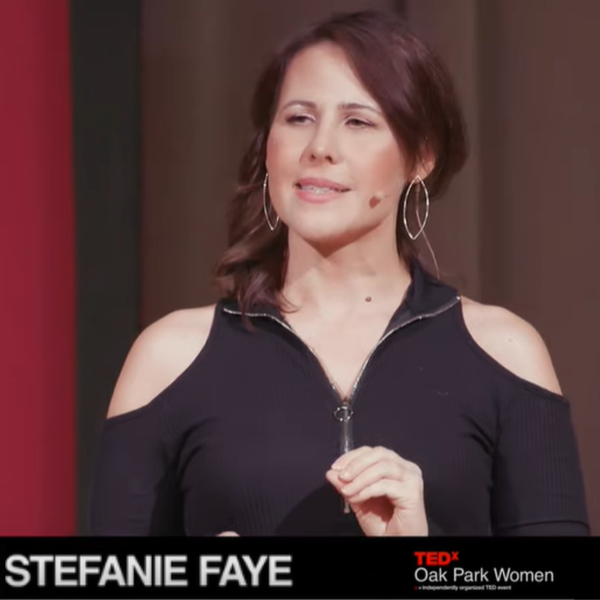
I've spent nearly two decades translating neuroscience for the rooms that push back the hardest — MIT, Google, Stanford, the FBI, Northwestern University, and UCSD School of Medicine.
I've conducted brain scanning research at NYU and meditated with monks. I've measured hearts and brains in intensive outpatient clinics and high performance retreat centers.
And the number one thing I've learned across all of it?
The wisdom and experience of leaders and helping professionals is often not taken seriously enough. And the world misses out.
The issue isn't the wisdom - it's the language, the framing.
When you have the right neuroscience framework — the one that activates your audience at the nervous system level - emotional regulation stops being something you have to over-explain. It becomes something people trust and embody.
That's what this course is built to give you.
I hope you'll join me
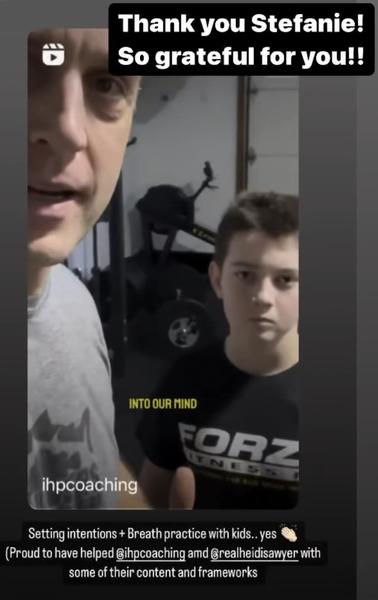
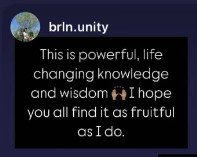
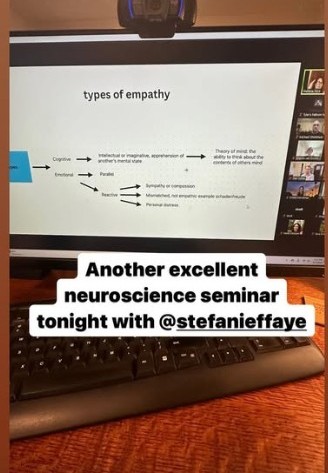
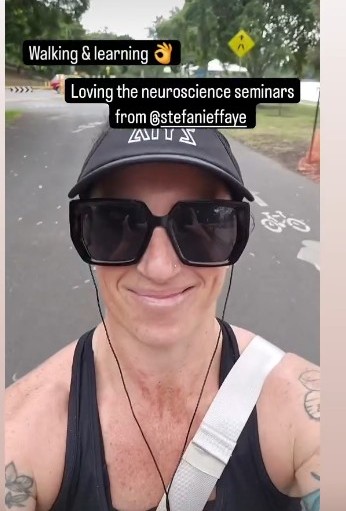
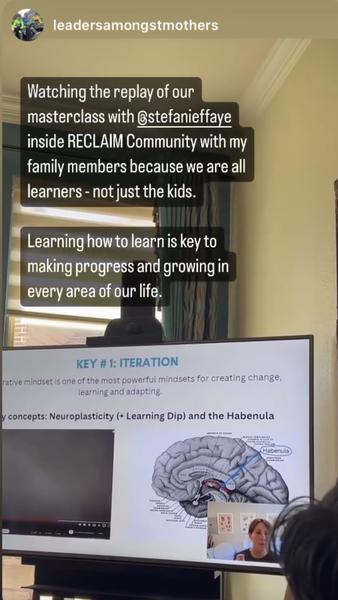
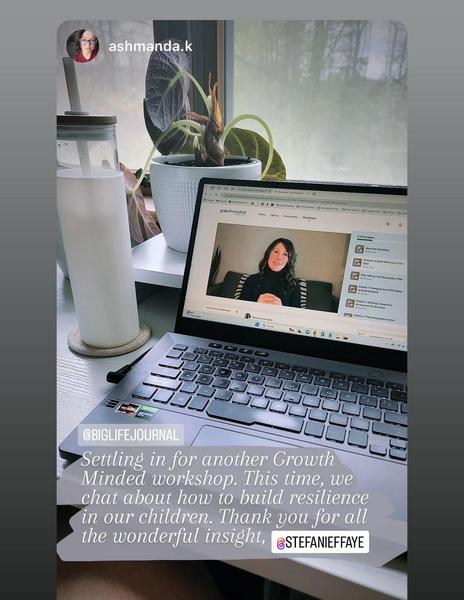
Here's what some people are saying...

i've got some questions...
My work isn't clinical or science-based — will this still help me? Yes - the framework in this course is specifically designed to give coaches, leaders, and helping professionals the scientific credibility to bring this work into any room without it being dismissed. You don't need a neuroscience background. You need the right language. That's what this teaches.
I already know about nervous system regulation — is this more than that? Yes - this course uses a framework that is scientifically precise and more immediately useful with clients and audiences than much of the simplified 'fight/flight/freeze/fawn or polyvagal perspectives. If you've already been teaching nervous system concepts, this will sharpen your work significantly.
Is this live or instant access? Instant access. You can start learning and implementing the moment you enroll.
How long will this take? Each module is 5 to 15 minutes. This is designed for professionals who don't have time to waste and need something they can implement immediately.
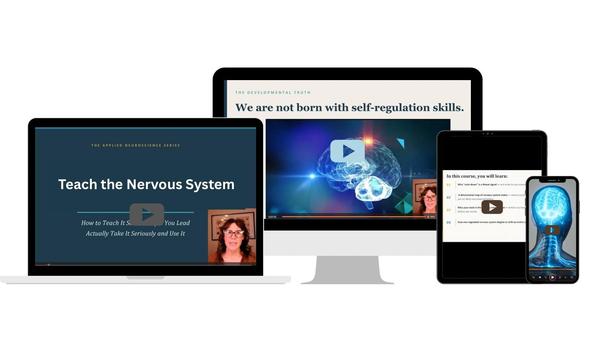
Here's what you get:
🎓 9 Bite-Sized Video Modules ($247 value)
🗺️ The Nervous System Map ($97 value)
🛡️ The Resistant Regulator Deep-Dive ($117 value)
⚡ The 90-Second Micro-Practice Toolkit ($47 value)
📖 Teach the Nervous System Integration Guide ($47 value)