NEUROSCIENCE FOR COACHES, EDUCATORS, PROFESSIONALS
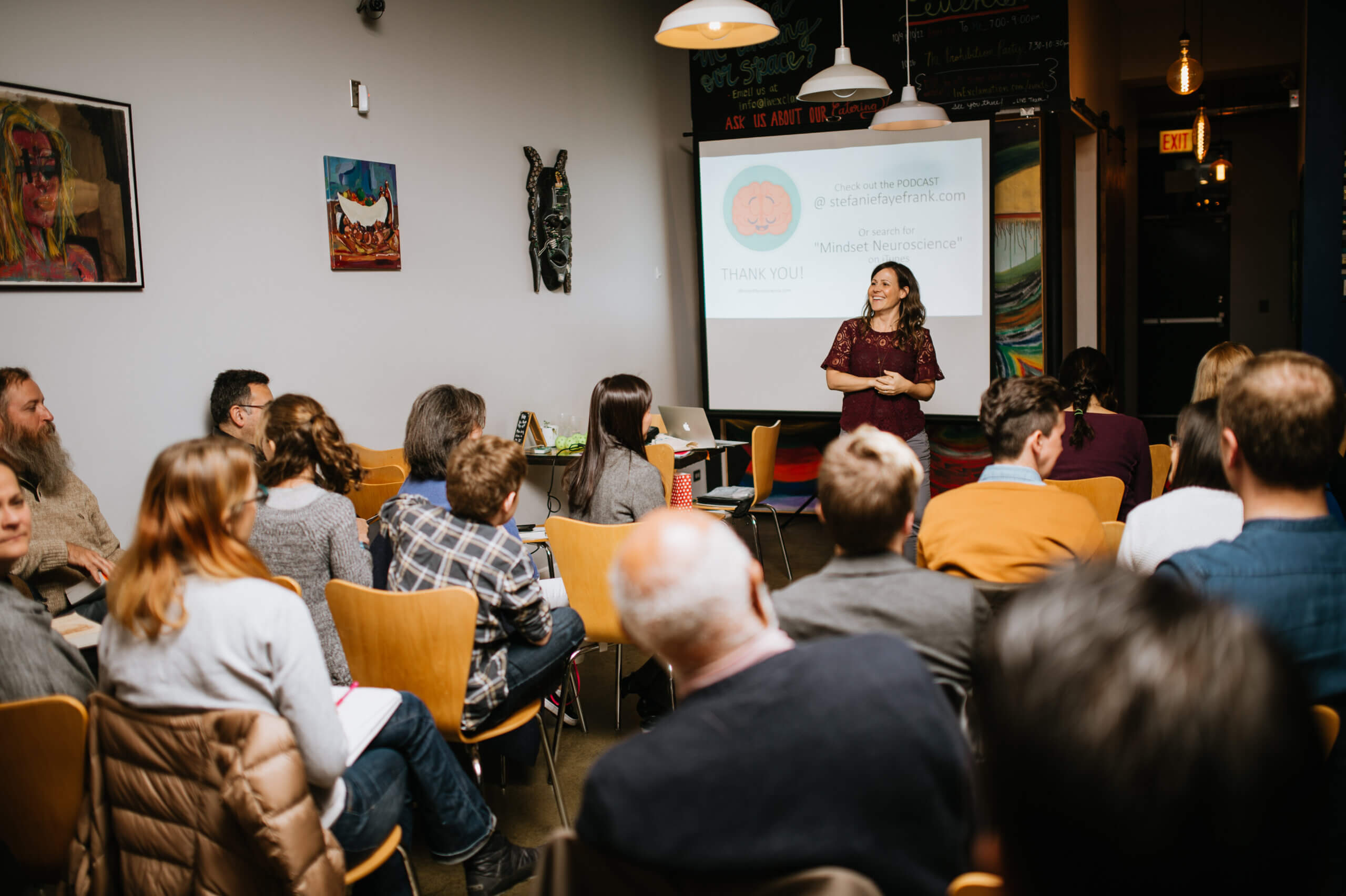
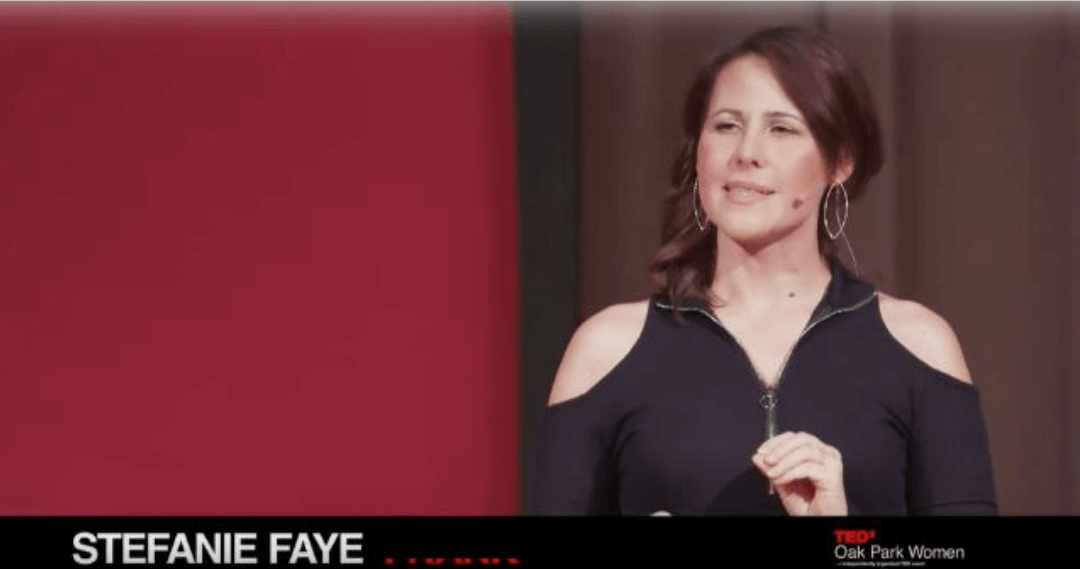
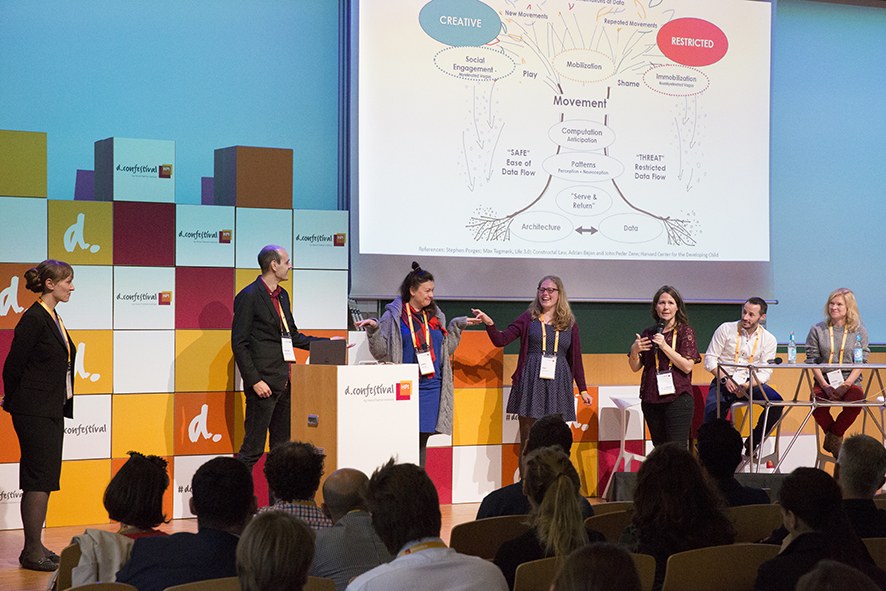
My talk on the Neurobiology of Innovation with social neuroscientist Caroline Szymanski, creativity researcher Sergio Agnoli and Stanford computational neuroscientist Manish Saggar at the dconfestival berlin
Your nervous system enters the room before your words do.
Long before ideas are spoken, decisions are made, or strategies are applied, something more fundamental is happening:
Nervous systems are communicating.
Every conversation.
Every classroom.
Every leadership moment.
Every breakthrough.
Every idea is carried by a nervous system.
And many of us were never taught how that system actually works.
The Science Behind What You Already See
Most of us were trained to look outward for validation—for the right method, the right certification, the right language. But the human nervous system is an extraordinarily sophisticated instrument. It reads rooms, detects incongruence, anticipates threat, and calibrates trust in milliseconds. This isn't mystical. It's measurable.
My approach draws from my years as a researcher—studying the electrical activity of the brain (qEEG), heart rate variability, skin conductance, facial EMG—and translates that science into something you can feel and use. Not as information to memorize, but as a deeper understanding of what your system is already doing.
I've spent 15 years helping leaders and change agents translate their expertise into science-backed frameworks that earn respect, increase buy-in, and position them as go-to experts in their field.
Clients I've worked with have attracted entire teams of coaches who want to join their programs. They've landed stages like TEDx and Mindvalley. They've reached audiences they never knew existed, simply by gaining clarity on their science-informed message.
Clients & Collaborators
My clients include MIT, Google, Stanford, the FBI, Northwestern University, Alberta Children's Hospital, and the UC San Diego School of Medicine. I've trained in monasteries with meditation masters from India, Africa, and Vietnam, and spent years as an intelligence analyst before becoming a neuroscience educator.
I currently collaborate with MIT's Global Humanities Initiative and CheckIt Learning to help with research exploring the intersection of neuroscience, AI, and human flourishing. I work clinically with brain mapping and neurofeedback for clients from age 4 to 65+. And I teach the applied neuroscience mini-course, How to teach emotion regulation so even skeptics use it
My graduate research at New York University and fieldwork at the NYU Phelps lab for neuroscience research, the NYU Institute for Prevention Science and Yeshiva University's Albert Einstein College of Medicine focused on the cross-section of self-directed neuroplasticity, emotion regulation, family emotional climates, and empathy. My clients include MIT, Google, Stanford University, the FBI, Northwestern University, Alberta Children’s Hospital, the University of California San Diego School of Medicine, as well as therapists, coaches, educational consultants, district superintendents, CEOs, yoga instructors, osteopaths, and many more.
For the past decade, I've been teaching and consulting in countries all over the world by combining scientific insights and my training in monasteries with meditation masters from India, Africa and Vietnam. I'm also a former intelligence analyst, and a Master Faculty instructor and researcher at Google, where I have consulted on and facilitated global workshops on the Science of Learning and Mindset in London, Chicago, Tel Aviv, Munich and Singapore.
What I Actually Do
I am here to help the helpers understand the science behind the impact they already create.
My training programs and content are for:
-
coaches
-
therapists
-
educators
-
thought leaders
-
organizational leaders
people who know their work transforms lives but struggle to explain why in a way that earns trust, credibility, and influence.
Through neuroscience frameworks and embodied insight, I help professionals translate their intuitive wisdom into language grounded in science.
The human brain is the most experience-dependent organ on Earth. It was designed to learn, adapt, and evolve. My work is about honoring that design—and helping as many people as possible access the intelligence they've been building their entire life.
If This Resonates
Get my free mini-book: Super-Regulators: the science of self-regulation and a new type of human
Featured Talks

What if dysregulation is the doorway?
There’s a version of “being regulated” that sounds a lot like being untouchable. Calm. Collected. Unshaken. Always able to find the breath, hold the space, stay present no matter what walks through the door. And if you’ve spent any time…

The Habenula: Your brain’s disappointment and fear of failure system
There’s a moment many of us know well. You try something. You show up. You put something that matters to youout there.. . a conversation, a project, an idea you believed in. And the response you were hoping for… doesn’t…

A dysregulated nervous system cannot learn the way we want it to.
The moment someone is actually with you — present, trusting, willing to move — what happens next is determined entirely by the state of their nervous system. Not their motivation. Not their intelligence. Not how much they want to change….